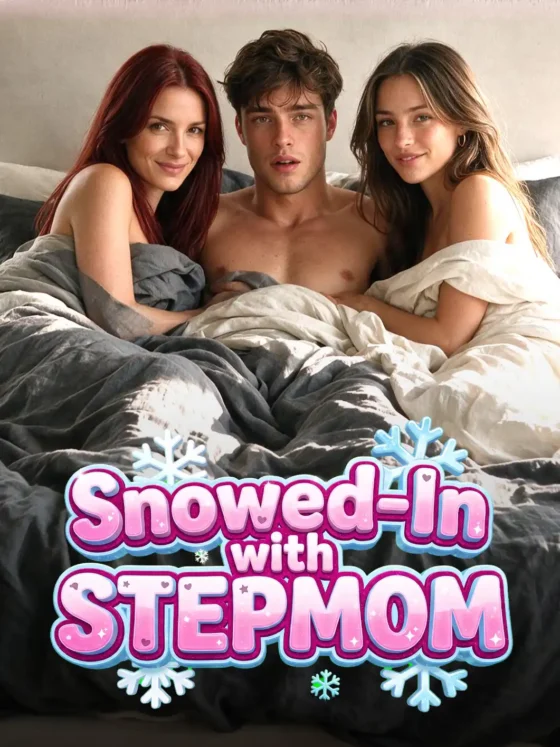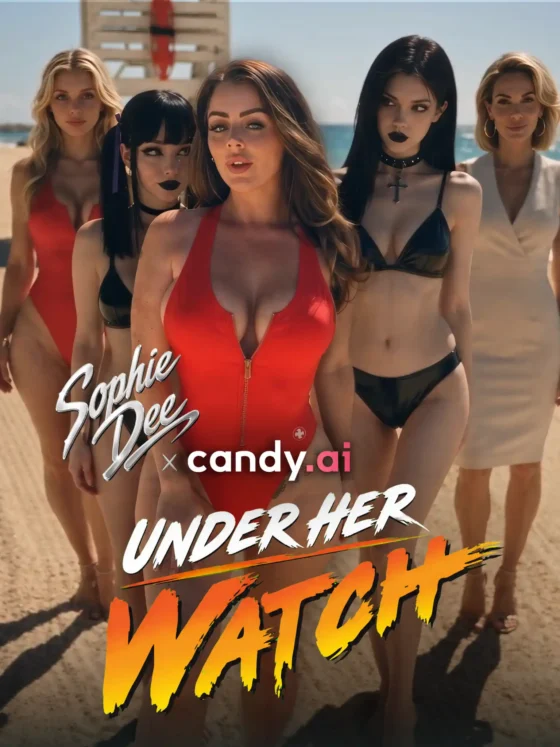

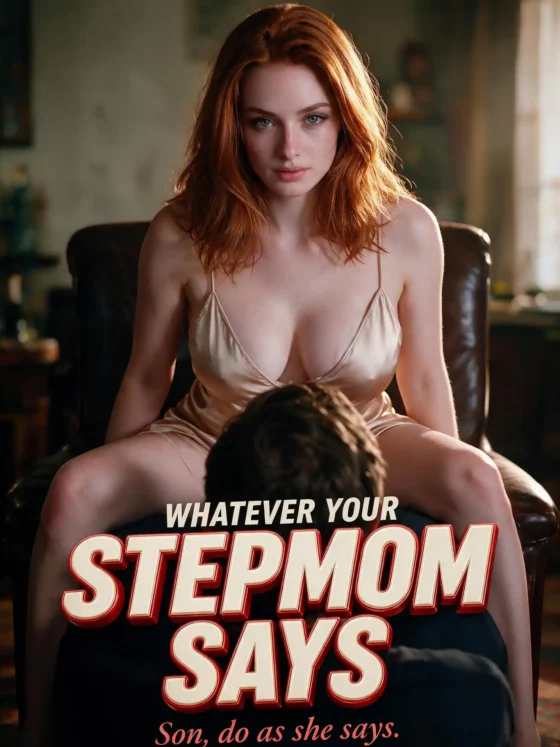
What the free pair is, exactly
The first two episodes of the actual series, uncut. Not a trailer assembled from later footage and not a demo built separately. They are the opening of the story and they are written to work as one.
They also show nothing explicit, in every title, by design. A series marked five has an opening exactly as restrained as one marked three. The free half speaks in one register everywhere; the paid half is where the registers diverge.
What it reliably tells you
Whether the premise interests you, which is not nothing. Whether the writing is competent, which is worth more than it sounds, because a paid half cannot rescue dialogue that did not work in the free one.
Whether the situation the series is built on is one you want to spend three more episodes inside. Most of the catalogue runs on proximity: someone has moved in, someone is staying the weekend, someone is across a hallway. The free pair shows you which someone.
What it cannot tell you
How far the paid episodes go. This is the question the free pair is constructed to leave open, and it leaves it completely open. Nothing in the first two episodes of a five distinguishes them from the first two of a three.
The labels do not fill the gap. Eighteen titles carry spicy and sit on every step of our scale; the thirteen newest share nearly identical labels whatever their plot. If the free pair is the audition and the label is the poster, neither one is the review. The number is.
What paying looks like
Episodes three onward are bought singly at twelve tokens apiece, so a standard five-episode series costs thirty-six to finish and finishing it buys nothing toward the next. The exception is the small group of titles carrying a performer’s credit, where each episode is thirty.
Two series run past five episodes, one to nine and one to fifteen, and neither adds a free episode for the extra length. Worth knowing before opening the long one.
Currency prices are not quoted here; the platform changes what a token costs. The counts are the part that holds still.
Registering is not paying
The two open episodes cost zero tokens, and a visitor who has not registered still receives them. That same visitor is also nudged toward an account at every turn. Keep the two facts apart: the episodes are free, and a nudge is not a price.
Spending it well
Open several series rather than finishing one. Breadth costs nothing; depth costs tokens.
Give each one both episodes. The first is mostly setup; a title that seems thin after a single episode has usually not started yet.
Before paying for the third of anything, check its score here. It is the one piece of information the free pair is built to withhold, and it is the one that decides whether thirty-six tokens was a good idea.